

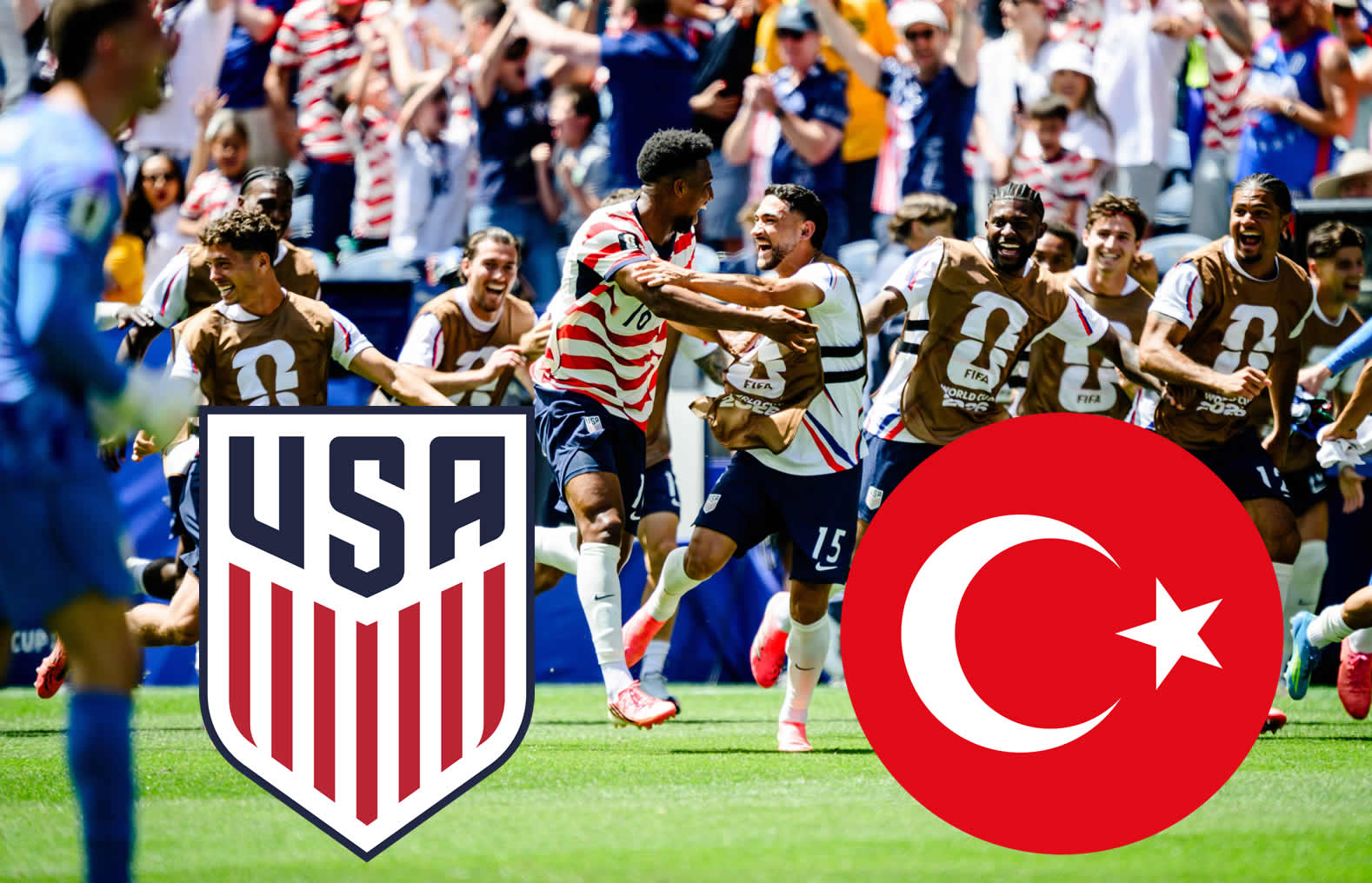
USA defeated Australia 2-0 in their 2026 World Cup group stage match in Seattle, securing a spot in the knockout rounds with a composed and physical performance. Chris Richards stood out with a gritty display, while goals from an own goal and Alex Freeman gave the USA a comfortable victory.
Recap
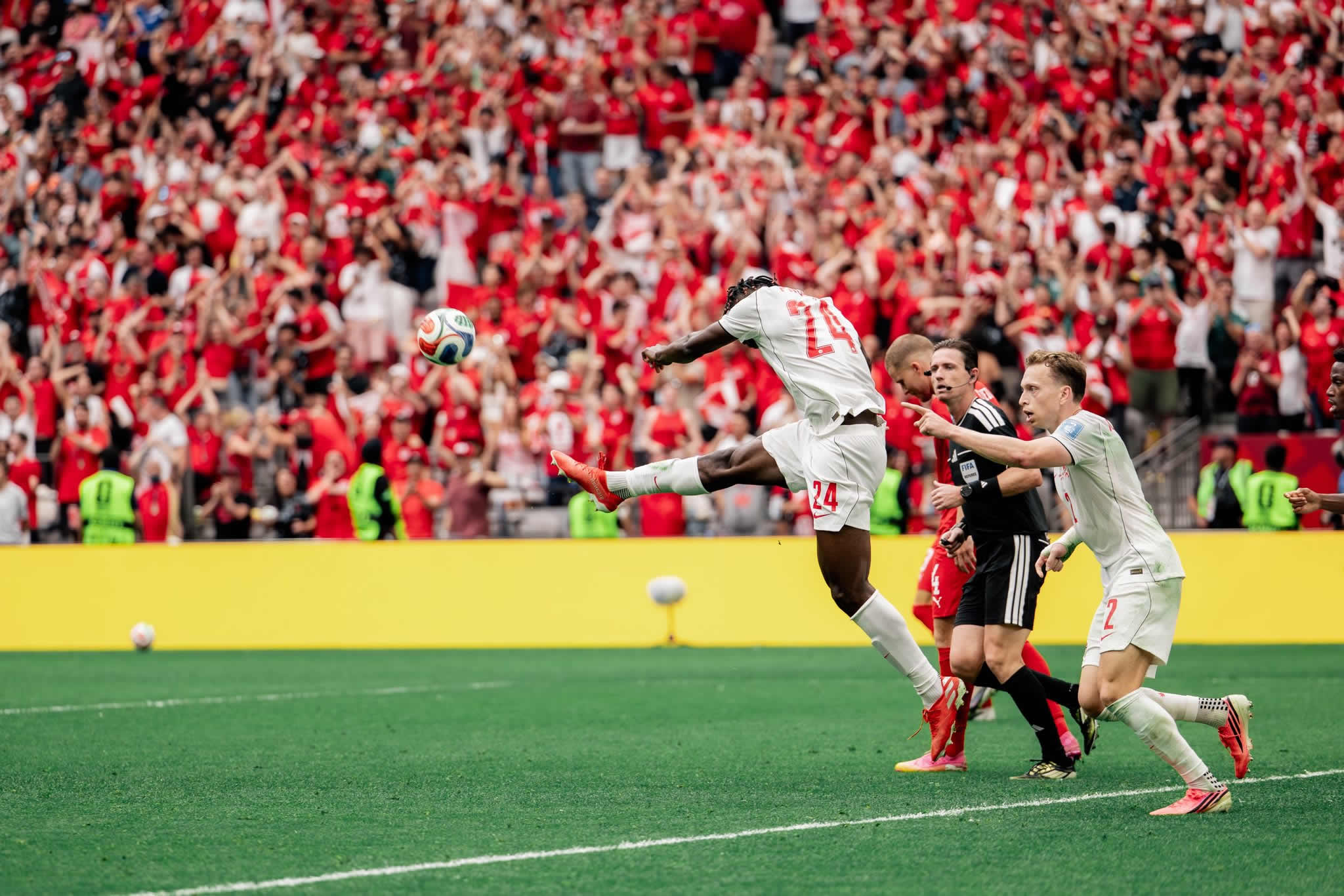
The USA opened the scoring in the 11th minute when Folarin Balogun drove down the left flank before turning inside and delivering a dangerous ball across the face of goal, which Australia’s Cameron Burgess turned into his own net.
Alex Freeman scored the second goal, heading in a deflected shot. Physical battles were common throughout, with the USA staying compact and organized.
Australia had moments on the counter and from set pieces but struggled to create consistent danger against the American defense.
Key Takeaways
1. Opponents Will Pay a Price on U.S. Soil
There were multiple times in which Richards was getting physical in battles for the ball. The Alabama native used his strength in a show of grit beyond what is legally acceptable at times and earned a yellow on a tackle in stoppage time that looked more like an open ice hit over the neutral zone in hockey. There were other instances from other players as well in the physical win. This toughness sets the precedent that there is a toll to be paid for opposing attackers on U.S. soil.
2. USA Effectively Controlled Pace and Possession
The Americans dictated the tempo for the majority of the game and maintained high possession while limiting Australia’s ability to build rhythm or sustain pressure. The States had 62% possession, but it felt much higher due to the fact that the ball seemed to be in Australia’s half most of the game.
3. Long Balls Down the Flanks Continued to Create Danger
The USA found consistent success attacking with direct balls down the left and right flanks. Balogun’s early run and cross came from this approach, and the team continued to exploit the same space in the second half. This direct style created problems for Australia’s defense despite their disciplined defensive style.
Over the first 2 games, the offensive tactics of building up from the back with movement of the ball across the center backs to find openings down the flanks have led to the US having a very authoritative on-field presence and control many aspects of the match.
4. Defensive Structure Limited Australia’s Counter Threat
The USA’s back line and midfield stayed organized and dealt well with crosses and transitions, rarely allowing clear sights of goal. This defensive discipline was a major reason the lead was never seriously threatened after the second goal.
Closing
This was a professional and gritty performance from the USA. The combination of physicality, controlled possession, and direct attacking threat gives them a clear identity as they prepare for their final group match.
Americans should be proud of the demonstration of grit and toughness by their squad, sending a clear message that US soil will be defended hard.


Leave a Reply